
Desserts
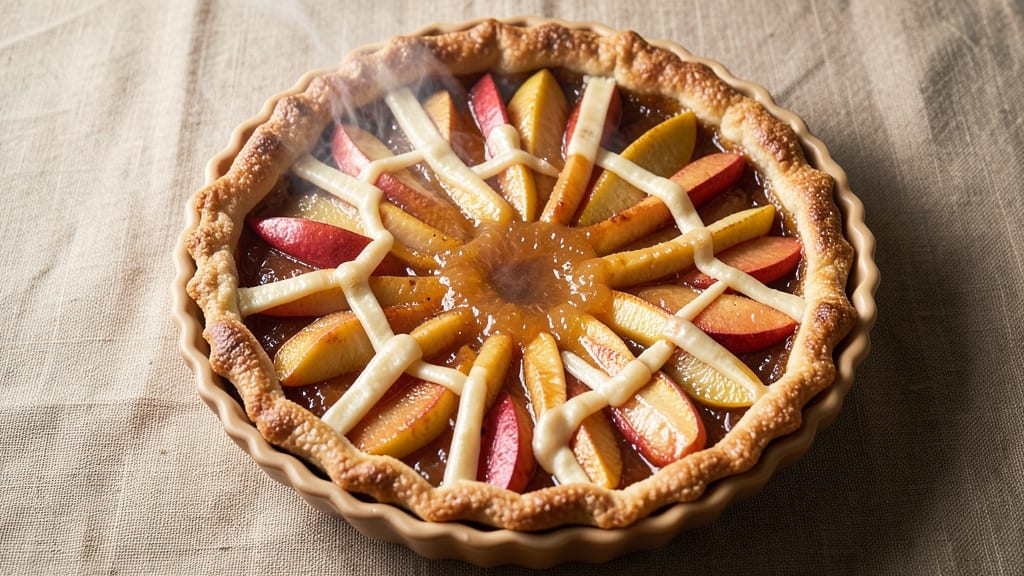
Ina Garten's famous pie recipe delivers the kind of golden, flaky perfection that makes every slice feel like a hug from a master baker. This isn't just dessert—it's the kind of showstopper that transforms ordinary gatherings into memorable moments.
The secret lies in her signature crust technique, where cold butter creates delicate layers that shatter into crisp, buttery flakes with just one bite.
What makes this recipe truly special is how approachable it feels while delivering restaurant-quality results. You won't find any shortcuts here that compromise quality—just precise measurements, patient rolling, and a filling that's rich enough to stand on its own.
The vanilla swirl custard is the star, with just the right balance of sweetness and creaminess that makes each forkful irresistible.
By the time you pull this pie from the oven, you'll have a golden-brown masterpiece with a lattice crust that looks elegant enough for company but simple enough for weeknight dessert.
The aroma alone will have everyone gathering in the kitchen, and the first bite will confirm why this recipe has become legendary. It's the kind of dessert that makes you feel like you've earned your sweet tooth.
Perfect for holidays, dinner parties, or just because—this pie scales beautifully and tastes even better the next day. Whether you stick to the classic vanilla version or experiment with seasonal fillings, the crust technique remains the foundation of its success. Let's get baking!
Ingredients for ina garten pie
Cold butter, vanilla swirls, and a lattice crust that looks like a masterpiece.
| Ingredient | Amount | Notes |
|---|---|---|
| All-Purpose Flour 🌾 | 3 cups | Sifted for light texture |
| Unsalted Butter 🧈 | 1 cup | Cold, cubed, no substitutions |
| Granulated Sugar 🍚 | ½ cup | For crust sweetness |
| Ice Water 💧 | ⅓ cup | Chilled for flaky layers |
| Large Eggs 🥚 | 1 whole | Cold, for binding |
| Vanilla Bean Paste 🌸 | 1 tbsp | Or 1 tsp vanilla extract |
| Heavy Cream 🥛 | 1 ½ cups | Full-fat for richness |
| Large Egg Yolks 🥚 | 4 whole | For custard thickness |
| Granulated Sugar 🍚 | ¾ cup | For custard sweetness |
| Salt 🧂 | ½ tsp | Kosher or sea salt |
| Vanilla Extract 🌿 | 1 tsp | Pure vanilla preferred |
| All-Purpose Flour 🌾 | ½ cup | For lattice crust |
| Granulated Sugar 🍚 | 2 tbsp | For lattice sprinkle |
The butter is non-negotiable—cold, cubed, and straight from the fridge. Plugrá brand is my go-to for its high fat content, but any unsalted butter works if it's properly chilled. If your kitchen gets warm, chill the dough between rolls. The vanilla bean paste? Worth the splurge—it gives that real vanilla flavor, not the artificial stuff. For the lattice, use a ruler to make even strips. If you're nervous about cutting, buy pre-cut strips from Williams Sonoma—they're a lifesaver.
No vanilla bean paste? Double the vanilla extract, but you'll miss that depth. Running out of heavy cream? Half-and-half plus a splash of milk works in a pinch, but the custard won't be as rich. The egg yolks need to be room temperature for the best custard—just let them sit out for 10 minutes. For the lattice, if you don't have a ruler, fold a piece of paper into strips and trace it. And if you're feeling fancy, brush the lattice with a little egg wash for extra shine.
The dough keeps for 2 days wrapped in plastic in the fridge, but make the filling fresh—it's the star. The baked pie tastes even better the next day, so always make it ahead. Store leftovers covered at room temp for 2 days, or freeze for 3 months. To reheat, warm slices in a 350°F oven for 10 minutes—no microwave needed.
Why You'll Love This Recipe
- No-Fuss Dough: I swear by this pie crust—just flour, butter, sugar, and ice water. No rolling pins, no stress. The butter stays cold enough to handle like a dream, and the sugar? It keeps that crust tender without turning it greasy.
- Sweet & Simple Magic: That sugar in the dough isn’t just for show—it caramelizes just enough to give every bite a subtle, buttery sweetness. Honestly, the crust alone makes me want seconds, and I haven’t even filled it yet.
- Weeknight Workhorse: This crust is my go-to for anything: sweet or savory fillings, hand pies, or even a quick galette. (Yes, even on a Tuesday night.) The dough’s forgiving, so I can prep it ahead and let it chill while I handle the filling—no last-minute panic.
- Budget-Friendly Staple: Flour, butter, sugar, eggs—these are pantry basics that won’t break the bank. I make this dough all the time, and it never goes to waste. Leftovers? I freeze them, then pull them out for impromptu desserts or a lazy weekend breakfast.
Step-by-step instructions for Ina Garten's famous pie recipe
Here's how to create that signature golden crust with a velvety vanilla swirl filling—just like Ina Garten's.
Make the Classic Pie Crust
In a large bowl, combine the 3 cups all-purpose flour and 0.5 cup granulated sugar. Cut in the 1 cup unsalted butter using a pastry cutter or your fingers until the mixture resembles coarse crumbs with pea-sized butter pieces. This texture is crucial for flaky layers.
Gradually add the 0.33 cup ice water, 1 tablespoon at a time, mixing gently just until the dough comes together. Be careful not to overwork it—handle only what's necessary. Form the dough into a disk, wrap in plastic, and refrigerate for at least 1 hour. Chilling relaxes the gluten for that perfect flaky texture.
Prepare the Vanilla Custard Filling
In a medium saucepan, whisk together the 1.5 cups heavy cream, 4 whole large egg yolks, 0.75 cup granulated sugar, 0.5 teaspoon salt, 1 tablespoon vanilla bean paste, and 1 teaspoon vanilla extract. Place the saucepan over medium heat and cook, stirring constantly with a wooden spoon, until the mixture thickens enough to coat the back of the spoon—about 5-7 minutes.
Remove from heat and let cool completely. This custard needs to be fully set before assembling, so spread it on a baking sheet and refrigerate for 30 minutes. The cooled custard will be thick but still pourable—this is perfect for creating those beautiful swirls.
Roll Out and Assemble the Crust
On a lightly floured surface, roll out half of the chilled pie dough to a 12-inch circle, about 1/8-inch thick. Transfer it to a 9-inch pie dish, trim the edges, and crimp decoratively. Pour the cooled custard into the crust, leaving a 1/2-inch border at the edges.
Roll out the remaining dough to a 12-inch circle. Sprinkle the 2 tablespoons granulated sugar evenly over the top crust. This will caramelize beautifully during baking. Place the lattice crust on top, leaving the center open for that signature Ina Garten look.
Bake to Golden Perfection
Preheat your oven to 375°F. Place the assembled pie on a baking sheet lined with parchment paper to catch any drips. Bake for 40-45 minutes, until the crust is deep golden brown and the filling is set but still slightly jiggly in the center.
Let the pie cool completely before slicing—this allows the filling to fully set and develop its signature texture. The lattice crust should be crisp, the custard silky, and the caramelized sugar sprinkle will add that perfect crunch. Serve warm with whipped cream for the ultimate dessert experience.
Pro Tips For Making Ina Garten Pie
- Chill the Dough: DESCRIPTION: After mixing the butter, flour, sugar, and ice water, pop the dough in the fridge for at least 30 minutes—even if you’re eager to bake. I used to skip this, and my crusts always turned out greasy or tough. Cold butter behaves better, and the dough handles rolling without sticking like glue.
- Cut Butter Cold: DESCRIPTION: Use a cheese grater or food processor to shred the unsalted butter into tiny, pea-sized pieces before mixing it into the flour. This creates more surface area for even distribution, so every bite gets that signature flaky texture. (Yes, it’s extra work, but the result is worth it.)
- Don’t Overwork the Dough: DESCRIPTION: Mix the dough just until it comes together—no need to over-knead. Once the flour and butter are combined and you can press it into a ball, stop. Overmixing develops gluten, which makes the crust tough instead of tender. Handle it gently after that too.
- Egg Wash for Shine: DESCRIPTION: Brush the top of the baked pie with a beaten egg (just the yolk if you want a richer color) before sprinkling sugar. This isn’t just for looks—it locks in moisture and gives that glossy finish that makes the pie look (and taste) like it came from a bakery. Skip it, and you’ll miss out on that professional touch.
Essential equipment for ina garten pie
Must-Have Tools
First up, you'll need a 9-inch pie dish—I recommend a ceramic or glass dish like those from Pyrex for even heat distribution. For the crust, a pastry cutter (like the OXO Good Grips) or your fingers work perfectly for cutting butter into flour.
A rolling pin with a wooden handle (like the Norpro Non-Stick) prevents sticking and gives you better control over thickness.
Don't skip the pie weights or dried beans—they're essential for pre-baking the bottom crust to prevent sogginess. I use Ceramic Pie Crust Weights from Amazon because they're reusable and easy to clean.
A digital kitchen scale (like the OXO Good Grips) ensures precise measurements, especially for the butter and flour.
Precision Equipment
A thermometer (I love the Thermoworks Thermapen) helps monitor the custard's temperature—it should reach 170°F before cooling. For the lattice crust, a ruler and sharp chef's knife (like the Wüsthof) make clean cuts effortless.
If you're nervous about rolling dough evenly, a rolling pin guide (like the Norpro Dough Roller) keeps your circles perfect every time.
For the final touch, a fine-mesh sieve (like the OXO Good Grips) helps dust the lattice evenly with sugar. A parchment-lined baking sheet underneath your pie dish catches any drips and makes cleanup a breeze. Trust me, these small tools make all the difference in achieving that restaurant-quality result.
Budget-Friendly Swaps
No need to break the bank—use dry beans instead of pie weights (just toast them first to remove moisture). A fork works in place of a pastry cutter for cutting butter into flour.
For rolling dough, a wine bottle wrapped in parchment paper can work in a pinch, though it won't be as precise. A measuring cup set (like the OXO Good Grips) is a game-changer for accuracy without costing much.
Skip the fancy lattice cutter—fold a piece of paper into strips and trace it onto the dough with a knife. For sugar dusting, a small sieve or even a fine-mesh strainer will do.
The key is patience and technique, not expensive gadgets. Even with basic tools, you'll get that golden, flaky perfection Ina Garten is known for.
Pro Tips for Success
Chill your dough between rolls if your kitchen is warm—use a cooling rack or even the fridge door for quick chilling. A damp towel under the rolling pin prevents sticking and makes rolling smoother.
For the custard, a double boiler (or a heatproof bowl over simmering water) prevents scrambling the eggs. I swear by this method for silky-smooth results every time.
Don't forget to preheat your oven for at least 30 minutes—consistent heat is key for even baking. A light-colored baking sheet underneath your pie dish reflects heat upward for a perfectly golden crust.
And finally, a cooling rack (not the countertop) prevents soggy bottoms by allowing air circulation. These small tweaks make all the difference!
Nutrition facts
Frequently asked questions
Can I make this pie ahead of time?
This pie actually tastes even better the next day. Assemble it completely (including the lattice crust) and refrigerate overnight. Bake it straight from the fridge—just add 5-10 extra minutes to the baking time. For make-ahead dessert, this is a game-changer!
What's the secret to Ina Garten's flaky crust?
The magic lies in cold butter and proper chilling. Keep butter cubes frozen until just before mixing, and never let the dough warm up during rolling. The ice water also helps create steam pockets for those signature flaky layers. Patience is key—don't rush the chilling steps!
Can I substitute vanilla bean paste?
Yes, but you'll lose some depth. Use 2 teaspoons vanilla extract instead, but add a pinch of salt to balance the flavor. For best results, look for high-quality vanilla extract or even a scraped vanilla bean. The paste gives that authentic Ina Garten touch that's hard to replicate.
Why did my lattice crust turn brown too quickly?
This usually happens from direct oven heat. Try placing a light-colored baking sheet underneath your pie dish to reflect heat upward more evenly. Also, tent the lattice with foil during the first 20 minutes of baking, then remove it to let the crust crisp and brown.
How do I fix a soggy bottom crust?
Prevent it by pre-baking the bottom crust with pie weights or dried beans for 10-12 minutes at 375°F before adding filling. If it's already soggy, slice the pie and place the bottom half on a baking sheet. Brush with a little egg wash and bake at 350°F for 10 minutes to crisp it up.