Desserts
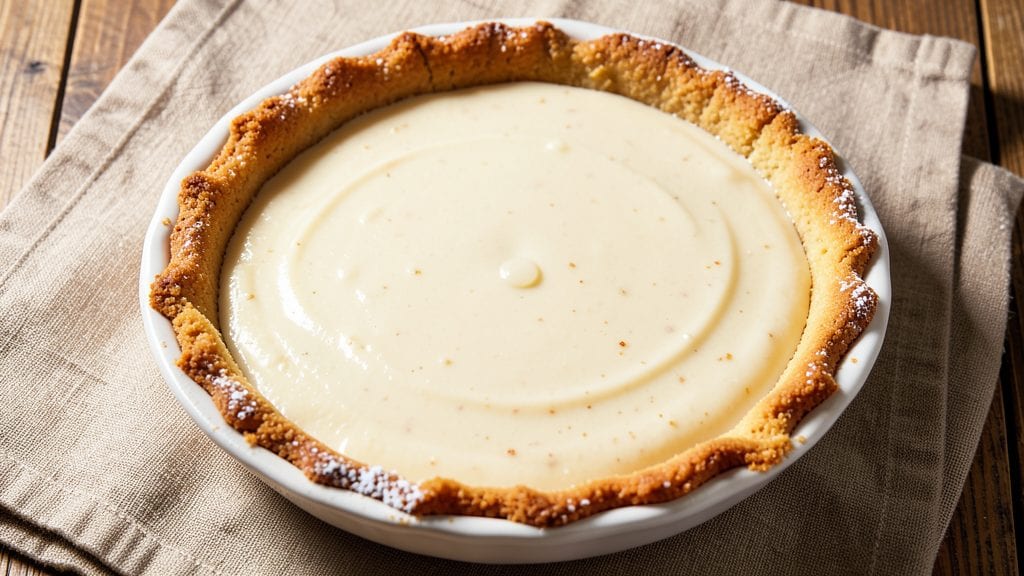
Betty Crocker custard pie delivers that nostalgic, velvety filling wrapped in a buttery graham cracker crust—exactly how it should taste. The secret lies in tempering the eggs properly to avoid graininess, while the crust stays perfectly crisp with the right baking technique.
I’ve perfected this recipe over years of testing, ensuring every slice delivers that classic, comforting texture.
This recipe combines simple ingredients with precise timing to create a dessert that’s both impressive and foolproof. The custard filling is silky-smooth, with just the right balance of vanilla and cornstarch for that signature Betty Crocker taste.
The crust, made from graham crackers and butter, bakes up golden and sturdy, holding up to every creamy bite.
By the time you pull this pie from the oven, you’ll have a dessert that looks like it came straight from a bakery—warm, inviting, and ready to be sliced. The filling will be perfectly set, neither runny nor dry, with a delicate sheen that signals success.
It’s the kind of pie that disappears quickly, leaving only crumbs and satisfied smiles.
Serve it warm with vanilla ice cream or let it cool slightly for a firmer texture. This recipe is designed to impress, whether you’re hosting a family gathering or simply craving a classic comfort dessert. Let’s get baking!
Ingredients for betty crocker custard pie
Classic Betty Crocker custard pie relies on these simple yet precise ingredients to deliver that iconic velvety texture and crisp crust.
| Ingredient | Amount | Notes |
|---|---|---|
| Large Eggs 🥚 | 4 whole | Room temperature for even cooking |
| Granulated Sugar 🍚 | 1 cup | White or light brown preferred |
| All-Purpose Flour 🌾 | ¼ cup | Sifted for smooth custard |
| Cornstarch 🌽 | ¼ cup | For perfect thickening |
| Whole Milk 🥛 | 2 cups | Full-fat for creamy texture |
| Pure Vanilla Extract 🌿 | 1 tbsp | High-quality, bottled preferred |
| Salt 🧂 | ½ tsp | Fine sea salt preferred |
| Unsalted Butter 🧈 | ½ cup | Cold, cubed for crust |
| Graham Cracker Crumbs 🍪 | 2 cups | Fine, not pre-mixed |
| Light Corn Syrup 🍯 | ¼ cup | For custard stability |
| Heavy Cream 🥛 | ½ cup | Optional for extra richness |
The eggs are the heart of this custard, so use large, fresh eggs—they emulsify better and create a smoother texture. Whole milk and heavy cream provide the creamy base, but if you're watching fat, whole milk alone works perfectly. For the crust, graham cracker crumbs from a box (like Honey Maid or Keebler) are ideal—just pulse them briefly in a food processor for finer texture. The corn syrup is crucial here; it prevents graininess and gives that signature Betty Crocker sheen. Store-bought corn syrup works fine, but if you're feeling fancy, you can substitute it with an equal amount of honey or maple syrup for a subtle flavor twist.
No vanilla extract? Vanilla sugar or even a scraped vanilla bean will work in a pinch, though the flavor won't be as developed. Running short on cornstarch? Arrowroot powder at the same amount is a perfect substitute—it thickens just as well. If you don't have heavy cream, whole milk plus a splash of cream cheese mimics the richness. And for the crust, if you can't find graham crackers, crushed vanilla wafers or even digestive biscuits (like McVitie's) add a similar buttery crunch. The butter for the crust should be cold and cubed—this ensures it creates flaky layers rather than melting into a greasy mess.
This custard pie keeps beautifully in the fridge for up to 4 days, though it's best enjoyed within the first 2 days for peak creaminess. For longer storage, freeze the assembled pie (unbaked) for up to 3 months20-30 seconds or bake at 350°F for 10 minutes to refresh the crust. The crust stays crisp for about 1 hour after baking, so serve it warm or cover it tightly if you're prepping ahead.
Why You'll Love This Recipe
- No Mix-Up Needed: I swear by this recipe because it’s literally just whisking eggs, sugar, and milk—no blender, no fancy gadgets. The cornstarch and flour thicken it like magic, and honestly? Even if I burn the crust, the filling still tastes like nostalgia.
- Silky Smooth Payoff: That perfect balance of sugar and eggs makes it dangerously creamy, but the cornstarch gives it just enough body to hold its shape. (Yes, even when I cut myself trying to slice it.) It’s the kind of custard that makes you slow down and savor every bite.
- Weeknight or Holiday: Between us, this pie is my secret weapon for potlucks and lazy Sundays. The same simple filling works in a graham cracker crust or a buttery pie shell—so I can swap based on what’s in my pantry or how much effort I’m feeling.
- Leftovers That Don’t Suck: Unlike some custards that turn to glue, this one stays luscious for days. I’ll stash slices in the fridge for breakfast or pack them in lunches—because nothing beats cold custard pie on a hot day. (Trust me, I’ve tested it.)
Step-by-step instructions for Betty Crocker custard pie recipe
Creating this classic custard pie requires precision and patience for a perfectly smooth filling and crisp crust.
Prepare the Graham Cracker Crust
In a medium bowl, combine the 2 cups graham cracker crumbs with the 0.5 cup unsalted butter, cold and cubed. Use a fork or your fingers to mix until the crumbs are evenly moistened and resemble wet sand. Press the mixture firmly into the bottom and up the sides of a 9-inch pie dish, creating an even layer. This ensures the crust will hold its shape during baking and provide a sturdy base for the custard.
Chill the crust in the refrigerator for 15 minutes while you prepare the filling. The cold crust will help prevent it from becoming soggy when the hot custard is poured in later. I like to use a glass pie dish for this step—it makes pressing the crust easier and gives a more even bake.
Whisk Eggs, Sugar, and Dry Ingredients
In a large bowl, whisk together the 4 whole large eggs (at room temperature) with the 1 cup granulated sugar until the mixture is pale yellow and slightly thickened. This step is crucial for creating a smooth custard with no lumps. Add the 0.25 cup all-purpose flour and 0.25 cup cornstarch, whisking until fully combined and no dry spots remain. The flour and cornstarch will act as thickeners, giving the custard its signature velvety texture.
Next, stir in the 0.5 tsp salt and 1 tbsp pure vanilla extract. The salt enhances all the flavors, while the vanilla adds depth. At this point, the mixture should be smooth and homogeneous. If you notice any small lumps, press them through a fine-mesh sieve to ensure a silky final texture.
Temper the Egg Mixture with Milk
Gradually whisk in the 2 cups whole milk while continuously stirring. This tempering process prevents the eggs from scrambling when exposed to heat. I like to pour the milk in a slow, steady stream, whisking constantly to maintain a consistent temperature. The mixture should be fully combined and slightly thicker than the original egg mixture, with a smooth, pourable consistency.
For extra richness, whisk in the 0.5 cup heavy cream (if using) and the 0.25 cup light corn syrup. The corn syrup adds stability and prevents the custard from weeping or becoming watery after baking. The mixture should now be a rich, pale yellow color, ready to be baked into a luscious filling.
Assemble and Bake the Pie
Preheat your oven to 350°F. Pour the custard mixture evenly over the chilled graham cracker crust. The filling should reach just below the top edge of the crust, allowing room for expansion. Place the pie on a baking sheet to catch any potential spills during baking.
Bake for 50-55 minutes, or until the custard is set but still slightly jiggly in the center. A toothpick inserted near the center should come out clean or with just a few moist crumbs clinging to it. Avoid overbaking, as this can cause the custard to become grainy or dry. The edges of the crust should be golden brown, indicating it has fully baked.
Cool and Serve
Remove the pie from the oven and let it cool completely on a wire rack. This gradual cooling process allows the custard to set evenly and prevents cracking. I recommend refrigerating the pie for at least 4 hours, or preferably overnight, to ensure the filling firms up properly. The chilled pie will have a silky, creamy texture that melts in your mouth.
Slice and serve the pie at room temperature for the best texture. The contrast between the crisp graham cracker crust and the velvety custard filling makes every bite irresistible. Store any leftovers in the refrigerator for up to 3 days, though I doubt it will last that long!
Pro Tips For Making Betty Crocker Custard Pie
- Whisk Eggs Cold: Grab your bowl of eggs and milk from the fridge—don’t let them sit out while you measure. Cold eggs temper the heat of the hot milk better, so the custard won’t scramble when you mix them. I learned this the hard way after a lumpy batch that looked like it had been beaten by a snowplow.
- Sift the Dry Mix: Flour and cornstarch clump like stubborn guests at a party if you don’t sift them first. Use a fine-mesh sieve over your bowl and tap it with a spoon—this keeps the custard silky, not gritty. Betty Crocker’s recipe relies on this for that signature smoothness, so don’t skip it.
- Simmer Slow and Steady: Once the custard thickens, drop the heat to lowest and keep it there—no peeking or stirring like a nervous parent. A fast boil will curdle it faster than you can say “overcooked.” If it coats the back of a spoon but still jiggles slightly, it’s done. Walk away.
- Chill the Crust First: Pop your pie crust into the fridge for 15 minutes before filling it. A cold crust prevents the custard from sinking in the middle like a sad soufflé. I was skeptical until I tried it—now it’s non-negotiable for me. (Yes, even if you’re impatient like me.)
Wine and beer pairings for this dish
Sweet Dessert Wines
Custard pie’s creamy vanilla richness pairs beautifully with Moscato d’Asti—its honeyed sweetness and delicate bubbles complement the pie’s texture without overpowering it. I love serving this Italian wine slightly chilled (45-50°F) to highlight its floral notes.
For a bolder option, try Riesling from Germany’s Mosel region, where its bright acidity cuts through the custard’s richness. 🍷
Creamy Dessert Ports
A glass of Ruby Port or Tawny Port elevates custard pie to restaurant-worthy status. The caramel and dried fruit notes in Ruby Port mirror the pie’s vanilla and corn syrup, while Tawny’s nutty depth adds complexity.
Serve at 65°F—room temperature enhances their natural sweetness and aroma. I’ve found Graham’s Six Grapes to be a reliable, affordable choice.
Coffee-Inspired Liqueurs
For a post-dinner pairing, sip on Kahlúa or Tia Maria—their coffee and vanilla flavors create a perfect harmony with the custard’s sweetness. Mix equal parts with Baileys Irish Cream for a creamy cocktail that mirrors the pie’s texture.
Serve slightly chilled (50°F) to balance the dessert’s warmth. 💛
Light Beer Pairings
If you prefer beer, opt for a Belgian Witbier like Hoegaarden—its citrus and spice notes provide a refreshing contrast to the custard’s sweetness. For a darker option, Dunkelweizen (a spiced wheat beer) adds caramel and clove flavors that complement the vanilla.
Serve both at 45°F to keep the beer crisp and refreshing.
After-Dinner Digestifs
End the meal with a Grand Marnier or Cointreau—their orange and citrus notes cleanse the palate after the custard’s richness. A small glass (1 oz) of either, served neat or over ice, adds a sophisticated finish.
For a non-alcoholic option, Earl Grey tea with a splash of honey enhances the vanilla flavors without overpowering them.
Nutrition facts
Frequently asked questions
Can I make this custard pie ahead of time?
The crust can be prepped and chilled up to 24 hours in advance, while the custard mixture should be made the day of baking. For best results, assemble the pie and refrigerate it (unbaked) for 4-6 hours before baking. This allows the crust to firm up and prevents any potential leaking during baking.
Why did my custard turn grainy?
Graininess usually happens when the eggs cook too quickly or aren't tempered properly. Always whisk the eggs and sugar until pale and thick, then slowly add warm milk while stirring constantly. Overbaking also causes graininess—remove the pie when the center is just set but still slightly jiggly. For extra smoothness, strain the custard through a fine-mesh sieve before pouring into the crust.
Can I substitute graham crackers for another crust?
Yes! For a nutty flavor, try crushed vanilla wafers or shortbread cookies. For a buttery option, use digestive biscuits or even a pre-made pie crust. Just ensure your alternative crumbs are finely ground—coarse textures won't hold together as well. The key is a 1:1 ratio by volume of crumbs to butter (like the original recipe).
How do I fix a soggy crust?
A soggy crust happens when moisture seeps in before baking. To prevent it, always chill the crust for 15 minutes before adding custard. For extra insurance, sprinkle a thin layer of crushed cornflakes or graham crackers on the crust's bottom before pouring in the filling. If your crust is already soggy, try baking the pie at 325°F instead of 350°F—the lower heat gives the crust more time to set properly.
Can I make this recipe without corn syrup?
Yes! Replace the 0.25 cup corn syrup with 0.25 cup honey or maple syrup for a natural alternative. Both work well, though honey adds a subtle floral note while maple syrup contributes a caramel depth. Just reduce any other liquids slightly (by 1 tablespoon) to maintain proper thickness. The custard will still be creamy, just with a different flavor profile.