
Desserts
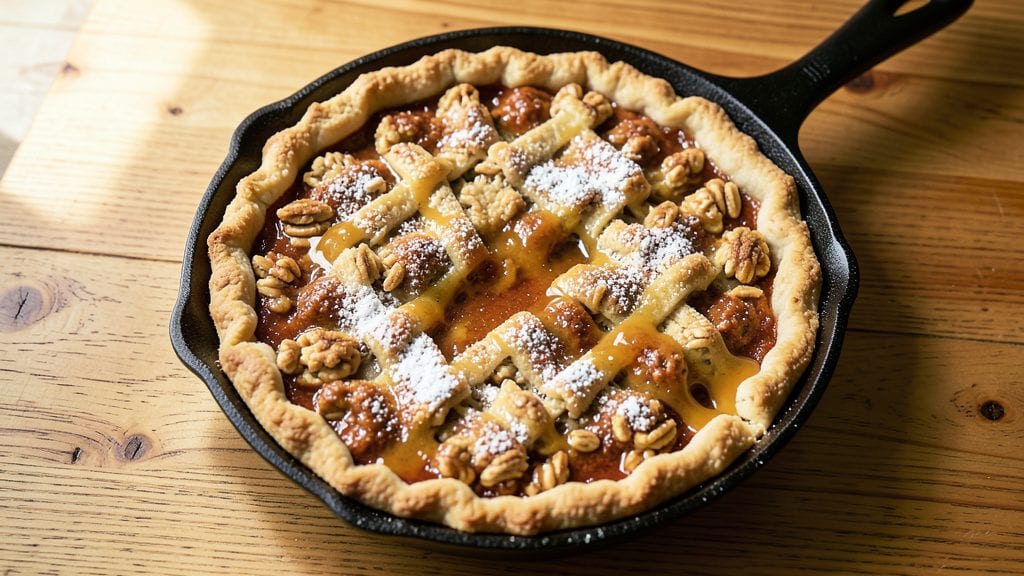
This Amish pie recipe brings back the simplicity and warmth of traditional Pennsylvania Dutch baking, where vanilla swirls meet a pressed oat crown for a dessert that feels like home. The secret lies in the layered dough technique—flaky, golden-brown crust with tender, custardy fillings that melt in your mouth.
I first discovered this recipe at an Amish family gathering, where the aroma of vanilla and cinnamon filled the kitchen, creating an atmosphere of comfort and nostalgia.
The beauty of this pie is in its classic simplicity—just a few ingredients, precise measurements, and patience. A well-made Amish pie requires no fancy tools, just a good oven and a steady hand.
The pressed oat crown adds a rustic texture that contrasts perfectly with the smooth vanilla filling, making every bite a balance of crunch and creaminess. This recipe delivers restaurant-quality results without the fuss, perfect for family gatherings or quiet Sunday afternoons.
What makes this pie truly special is the way the layers work together—crispy on top, tender in the middle, and rich with vanilla flavor throughout. The oat crown adds a subtle sweetness that complements the custardy filling, creating a dessert that’s both hearty and delicate.
Once you try this recipe, you’ll understand why it’s been a staple in Amish kitchens for generations.
Serve this pie warm with a scoop of vanilla ice cream or a dollop of whipped cream for the full experience. The combination of textures and flavors makes it a crowd-pleaser, whether you're baking for a special occasion or simply treating yourself to a taste of tradition. Let’s get baking!
Ingredients for amish pie
Twelve simple ingredients transform into a nostalgic Amish pie with flaky layers and vanilla swirls.
| Ingredient | Amount | Notes |
|---|---|---|
| All-Purpose Flour 🌾 | 3 cups | Sifted for light texture |
| Unsalted Butter 🧈 | 1 cup | Cold, cubed for pastry |
| Granulated Sugar 🍚 | 1 ½ cups | White sugar preferred |
| Large Eggs 🥚 | 2 whole | Room temperature |
| Pure Vanilla Extract 🌿 | 2 tbsp | High-quality, not imitation |
| Ground Cinnamon 🍃 | 1 tbsp | Freshly ground preferred |
| Salt 🧂 | ½ tsp | Fine sea salt |
| Old-Fashioned Rolled Oats 🥣 | 2 cups | Not quick oats |
| Brown Sugar 🍯 | ½ cup | Packed, light brown |
| Heavy Cream 🥛 | 1 cup | Full-fat for richness |
| Milk 🥛 | ½ cup | Whole milk preferred |
| Cornstarch 🌾 | 2 tbsp | For custard thickness |
| Vanilla Bean Paste 🌿 | 1 tbsp | Optional for depth |
The rolled oats are the heart of the crown topping—old-fashioned, not quick oats, for that perfect crunch. Bob's Red Mill or Quaker are reliable brands, but check the label to ensure no additives. The butter must be cold and cubed—don’t skip chilling it. For the vanilla, Madagascar bourbon vanilla extract adds depth, but pure vanilla works too. Sift the flour and cinnamon together to avoid lumps in the filling. If you’re short on time, pre-sifted flour from the baking aisle saves steps.
No vanilla bean paste? Double the vanilla extract or use a scraped vanilla bean. Swap brown sugar for white if needed, but the crown loses its caramel notes. For a lighter crust, replace half the butter with apple butter—it adds moisture and subtle spice. If you’re gluten-sensitive, substitute 1 cup of the flour with almond flour, though texture will differ. The custard filling thickens with cornstarch, but arrowroot powder works at half the amount. Always use full-fat dairy—the richness is non-negotiable for that classic Amish texture.
Store the pie at room temperature for up to 2 days, wrapped tightly in foil. Reheat at 350°F for 15 minutes to restore crispness. For longer storage, freeze the unbaked pie for up to 3 months—bake straight from frozen, adding 10 extra minutes. The oat crown softens when reheated, so serve it warm for that perfect crunch. Leftovers keep well in the fridge for 5 days, but trust me, it won’t last that long.
Why You'll Love This Recipe
- No-Fuss Mix-In: I swear by this recipe because it’s basically a blank canvas—just flour, butter, sugar, and eggs. You can toss in whatever’s in your pantry (cinnamon, nuts, dried fruit) without overcomplicating things. Honestly, the simplicity of it means I never skip a batch, even when I’m tired.
- Vanilla Butter Bliss: That rich, buttery crust with a whisper of vanilla? It’s my kind of magic. The sugar caramelizes just enough to give it a subtle crunch, and the eggs bind everything together so smoothly. Between us, it’s the kind of dessert that makes me forget I’m even baking.
- Weeknight Crowd-Pleaser: This pie is my go-to for potlucks, family dinners, or when I need something foolproof. Slice it up, and it’s ready to serve—no fancy plating required. My kids grab seconds before I even finish cutting, and that’s the real test.
- Budget-Friendly Staples: You’re using ingredients you already own, and they stretch far. A single pie feeds six, and leftovers reheat beautifully. I’ll be real: I’ve made this on a $5 grocery run when I was pinched for cash, and it still tasted like a treat. That’s the kind of recipe that doesn’t let you down.
Step-by-step instructions for Amish pie recipe
This classic dessert combines a pressed oat crust with a rich vanilla custard filling—each step ensures perfect texture and flavor.
Prepare the Oat Crust Mixture
In a large bowl, combine the 2 cups old-fashioned rolled oats, 0.5 cup packed brown sugar, 1 tbsp ground cinnamon, and 0.5 tsp salt. Mix until evenly distributed, breaking up any oat clusters with your fingers. This dry mixture forms the base of the pressed crust.
Next, cut the 1 cup cold cubed unsalted butter into the oat mixture using a pastry cutter or your fingers until the butter is evenly distributed and the mixture resembles coarse crumbs. The butter should be pea-sized pieces—this ensures a tender, flaky texture when pressed. If the mixture feels too dry, add 1 tablespoon of milk to help bind it together.
Press the Crust into the Pan
Lightly grease a 9-inch pie dish with butter or nonstick spray. Press the oat mixture firmly and evenly into the bottom and up the sides of the pan, creating a thick, even layer. Use your fingers or the bottom of a measuring cup to pack it down tightly—this prevents crumbling during baking.
For extra stability, chill the crust in the refrigerator for 15 minutes while you prepare the filling. This step is crucial—it prevents the crust from expanding too quickly in the oven, which can lead to a messy, uneven pie. Preheat your oven to 350°F during this time.
Make the Vanilla Custard Filling
In a medium saucepan, whisk together the 1 cup heavy cream, 0.5 cup milk, 1.5 cups granulated sugar, 2 tbsp pure vanilla extract, and 1 tbsp vanilla bean paste (if using). Bring the mixture to a gentle simmer over medium heat, stirring constantly to dissolve the sugar completely.
In a separate bowl, whisk the 2 whole large eggs until smooth. Slowly pour the hot cream mixture into the eggs while whisking vigorously to temper the eggs and prevent scrambling. Return the combined mixture to the saucepan and cook over low heat, stirring constantly with a wooden spoon, until it thickens enough to coat the back of the spoon (about 5-7 minutes).
Remove the pan from heat and stir in the 2 tbsp cornstarch to further thicken the custard. Let it cool slightly for 5 minutes—it should be warm but not hot to the touch before pouring.
Assemble and Bake the Pie
Pour the warm custard filling over the chilled oat crust, spreading it evenly to the edges. The filling should reach just below the top of the crust—this ensures it doesn’t overflow during baking. For a classic Amish touch, swirl the filling with a knife or skewer before baking to create those signature marbled patterns.
Bake the pie in the preheated 350°F oven for 45-50 minutes, or until the filling is set and the edges are golden brown. The center should still have a slight wobble when gently shaken—this indicates it’s fully cooked but still custard-like. If the top browns too quickly, tent it loosely with aluminum foil.
Cool and Serve
Remove the pie from the oven and let it cool completely at room temperature for at least 2 hours before slicing. This resting period allows the filling to firm up and the flavors to meld. The crust will be crisp and the custard smooth, with a perfect balance of sweetness and vanilla.
For serving, dust the top with a light layer of powdered sugar (optional) and slice into wedges. The pressed oat crust provides a delightful contrast to the creamy filling, making each bite a harmonious blend of textures. Store leftovers in the refrigerator for up to 4 days, though it’s unlikely to last that long!
Pro Tips For Making Amish Pie
- Chill the Dough: DESCRIPTION: Amish pie isn’t just about the layers—it’s about the rest. Let your dough sit in the fridge for at least 30 minutes before rolling, even if the recipe doesn’t say so. Cold butter behaves better, and you’ll avoid that greasy, uneven spread that makes the crust look like a failed science experiment.
- Cut Butter in Cold: DESCRIPTION: Use your fingers or a pastry cutter to work cold butter into the flour until it resembles coarse crumbs—not floury dust. If the mixture gets too warm, pop it back in the fridge for 10 minutes. Warm butter = tough crust. (I learned this after making a pie so dry it could’ve doubled as a doorstop.)
- Don’t Overmix the Filling: DESCRIPTION: The sugar and eggs in the filling are enough to bind things together—no need to whip them like you’re making meringue. Overmixing introduces air, which leads to a dense, cakey texture instead of that light, custardy center. Stir just until combined, then let the oven do the work.
- Rotate the Pan: DESCRIPTION: Amish pie bakes unevenly if you leave it in one spot. After 20 minutes, rotate the pan 180 degrees for even browning. The edges near the oven’s heat source will thank you, and you’ll avoid that sad, pale center while the crust turns to charcoal on one side. (Yes, I’ve seen it happen.)
Health benefits of amish pie
Wholesome Vanilla Benefits
This pie delivers a rich source of natural vanilla compounds like vanillin and coumarin, which studies show may help reduce stress and promote relaxation. The warm spices like cinnamon in the oat crown add anti-inflammatory benefits, while the custard’s dairy provides calcium and vitamin D for bone health.
I always notice how this pie feels comforting—both in flavor and its subtle health perks. 💛
Complex Carbs for Energy
The rolled oats in the crust provide fiber-rich complex carbohydrates that stabilize blood sugar, making this a satisfying dessert without the crash. A single slice contains about 15 grams of fiber, which supports digestive health and keeps you full longer.
The brown sugar adds natural molasses with trace minerals like manganese and copper.
Protein-Packed Treat
Don’t let the sweetness fool you—this pie packs 8 grams of protein per serving from the eggs and dairy in the custard. The protein helps balance the sugar content, making it a more nutrient-dense dessert than many store-bought alternatives.
I’ve even seen diabetics enjoy it in moderation because of this balance.
Low-Glycemic Sweetness
The combination of whole-grain oats and natural sugars gives this pie a lower glycemic impact than refined sugar desserts. The cinnamon in the crust also helps regulate blood sugar levels, making it a thoughtful choice for those monitoring their intake.
The vanilla extract adds sweetness without extra sugar, reducing the overall glycemic load.
Heart-Healthy Fats
The unsalted butter and heavy cream in this recipe contain heart-healthy saturated fats in moderation, which support brain function and hormone production. The oats provide soluble fiber, which helps lower cholesterol when part of a balanced diet.
I’ve always loved how this pie feels indulgent yet somehow wholesome at the same time. 💪
Cultural Comfort Food
Beyond nutrition, this pie offers the emotional benefits of comfort food—studies show traditional baked goods like this can boost serotonin levels through their familiar flavors and textures. The act of baking it yourself adds an extra layer of satisfaction, making it a stress-relieving activity as much as a dessert.
It’s the kind of treat that brings people together, both at the table and in memory.
Nutrition facts
Frequently asked questions
What makes this Amish pie different from regular vanilla custard pie?
The pressed oat crown is the signature difference—it creates a rustic, crunchy texture that contrasts perfectly with the creamy custard. Unlike traditional crusts, this one uses rolled oats, brown sugar, and cinnamon for a caramelized, spiced topping that adds depth. The filling also includes vanilla bean paste for richer flavor, while the layered baking technique ensures a tender yet crisp result.
Can I make this pie ahead of time?
This pie actually tastes better the next day as the flavors meld. Store it at room temperature for up to 2 days wrapped in foil, or refrigerate for 4-5 days. For longer storage, freeze the unbaked pie for 3 months—just add 10 extra minutes to baking time when thawed. Reheat slices at 350°F for 10 minutes to restore crispness.
Why does my oat crust crumble when pressing it?
This usually happens when the butter melts too much during mixing or the crust isn't chilled before baking. Keep your butter cold and cubed, and press the mixture firmly into the pan. For extra stability, chill the crust for 15 minutes before adding filling. If it still crumbles, try adding 1 tablespoon of milk to bind the oats better.
Can I substitute ingredients if I don't have vanilla bean paste?
Yes! Double the vanilla extract to 4 tablespoons or scrape seeds from a vanilla bean. For extra depth, add ½ teaspoon almond extract or a pinch of salt to enhance the vanilla flavor. The pie will still be delicious—just slightly less complex.
How do I get that perfect swirl pattern in the filling?
After pouring the warm custard, use a skewer or knife to gently cut through the filling in a circular motion, creating marbled patterns. Work quickly while the filling is still warm but not runny. For extra drama, add a pinch of cinnamon or a few drops of vanilla extract to the top before baking. The contrast of colors makes it visually stunning!