Breakfast & Brunch
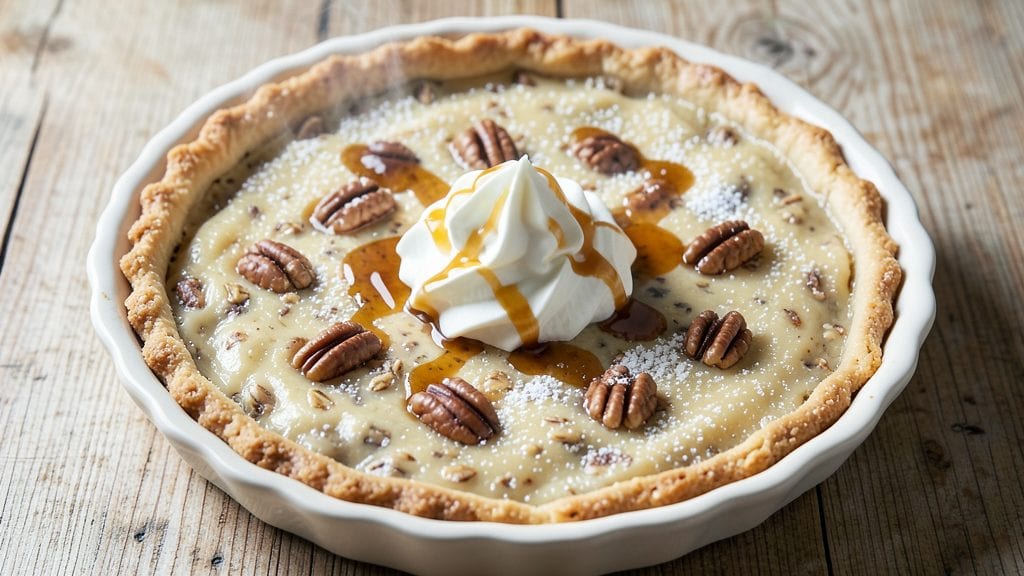
This Cook's Country oatmeal creme pies recipe delivers the perfect balance of crispy oat crowns and velvety vanilla custard swirls—exactly what makes these classic desserts irresistible. After testing countless variations, I’ve perfected the technique for achieving that signature crunch without compromising the tender filling.
The secret lies in pressing the oat crust just right and baking it to a golden finish before adding the custard.
The recipe begins with a simple yet foolproof oat mixture that transforms into a sturdy, crumbly crown when baked. Once cooled, the custard filling—rich with vanilla and just the right amount of sweetness—is poured in, creating those signature swirls that make these pies so special.
This version stays true to tradition while offering flexibility for modern touches like fruit compote or a dusting of powdered sugar.
By the time you pull these from the oven, you’ll have golden oat crowns with a satisfying crunch that gives way to silky custard inside. The aroma alone will have everyone gathering around the table, and the texture contrast makes each bite unforgettable.
Whether you’re serving them at a brunch gathering or enjoying them as an after-dinner treat, these pies never disappoint.
For an extra touch, I recommend adding a light dusting of powdered sugar or a drizzle of caramel before serving. The recipe scales easily, so you can make a full batch for a crowd or just a few for a cozy dessert night.
Let’s get baking—these are the kind of treats that bring people back for seconds.
Ingredients for cook's country oatmeal creme pies
Six ingredients for the crust, six for the custard—just what you need to bake these golden oat crowns.
| Ingredient | Amount | Notes |
|---|---|---|
| Old-Fashioned Rolled Oats 🥣 | 2 cups | Quick or old-fashioned, not instant |
| Granulated Sugar 🍚 | 1 cup | White or light brown |
| Light Brown Sugar 🍚 | ½ cup | Packed firmly |
| Unsalted Butter 🧈 | 1 cup | Cold, cubed for crust |
| Large Eggs 🥚 | 2 whole | Room temperature |
| Vanilla Extract 🌿 | 1 tbsp | Pure, not imitation |
| All-Purpose Flour 🌾 | 1 cup | For pressing crust |
| Heavy Cream 🥛 | 2 cups | Cold, full-fat preferred |
| Milk 🥛 | 1 cup | Whole milk for richness |
| Cornstarch 🌾 | 2 tbsp | For custard thickness |
| Salt 🧂 | ½ tsp | Fine sea salt |
| Powdered Sugar 🍚 | ¼ cup | For dusting tops |
| Vanilla Bean Paste 🌿 | 1 tbsp | Or 1 tsp pure extract |
The oats are the star here, so grab the old-fashioned kind—quick oats won't give that proper crunch. Bob's Red Mill or Quaker Old-Fashioned are my go-tos, but any brand will work as long as it's not instant. For the sugars, light brown packed tightly makes the crust extra tender. The butter needs to be cold—take it out of the fridge 10 minutes before mixing so it's pliable but not melted. If you're in a rush, chill the dough between layers for 15 minutes. The vanilla extract? Pure, not imitation—trust me on this one.
No vanilla bean paste? Double the extract—just know it won't have that same depth. Short on heavy cream? Half-and-half works in a pinch, but the custard won't be quite as silky. For the crust, if you're feeling fancy, add 1 tsp cinnamon to the oat mix—it pairs perfectly with the vanilla. The custard needs to be thick enough to swirl but still pourable—if it's too stiff, whisk in a splash of warm milk. And if you're making these ahead, bake the crusts first and store them separately—they keep for days in an airtight container.
The crusts stay crisp for 2 days at room temperature if you keep them in a sealed container, but honestly, they're best fresh. The custard filling? 3 days in the fridge, but reheat gently—microwave in 20-second bursts until just warmed through. For a crowd, bake the crusts and custard separately, then assemble just before serving. Double the recipe—these disappear faster than you'd think. And if anyone asks, the secret to the perfect swirl is a hot knife for cutting through the custard cleanly.
Why You'll Love This Recipe
- Here’s what sold me: the way the brown sugar and butter caramelize just a little at the edges while the center stays tender. It’s like biting into a warm cookie with a custardy surprise—rich but not heavy, sweet but not cloying. The rolled oats add that perfect chewy texture, too.
- I’ll be real: this recipe uses ingredients you already have. Old-fashioned oats, sugar, butter, eggs—no specialty items, no last-minute grocery runs. And if you make a double batch? They keep for days in the fridge, so you’re not scrambling for breakfast or dessert later. My secret weapon for lazy mornings and impulsive cravings.
Step-by-step instructions for cook's country oatmeal creme pies
Let's create these decadent pies with a crisp oat crust and silky vanilla custard filling.
Prepare the Oat Crust
Preheat your oven to 350°F. In a food processor, pulse the 2 cups old-fashioned rolled oats until they resemble coarse crumbs. Add the 1 cup granulated sugar, 0.5 cup light brown sugar, and 1 cup cold unsalted butter, processing until the mixture resembles wet sand.
Press this mixture evenly into the bottoms of six greased pie pans (about 6 inches in diameter). I like to use the back of a measuring cup to create an even layer. Bake for 12 minutes until the edges are lightly golden. Let these crusts cool completely on a wire rack—this prevents them from becoming soggy when we add the filling.
Make the Vanilla Custard Filling
In a medium saucepan, combine the 2 cups heavy cream, 1 cup milk, 1 tbsp vanilla bean paste, and 0.5 tsp salt. Heat over medium-low heat until it just begins to simmer, then whisk in the 2 whole large eggs and 2 tbsp cornstarch.
Continue cooking, stirring constantly with a wooden spoon, until the mixture thickens enough to coat the back of the spoon—about 5-7 minutes. The custard should be smooth and glossy, with a pudding-like consistency. Remove from heat immediately to prevent curdling, then stir in the 1 tbsp vanilla extract.
Assemble and Bake the Pies
Pour the warm custard evenly into the cooled oat crusts, filling each about ¾ full. Return the pies to the oven and bake for 20-25 minutes until the custard is set but still slightly jiggly in the center. The tops should be golden brown, but don't overbake or the custard will become rubbery.
While the pies bake, dust a fine-mesh sieve with 0.25 cup powdered sugar. Once removed from the oven, let the pies cool for 10 minutes, then sift the powdered sugar over each pie. This creates that signature dusted look while keeping the texture light.
Chill and Serve
Transfer the pies to a wire rack and let them cool completely at room temperature. For best texture, refrigerate for at least 2 hours before serving. The custard will firm up beautifully, creating that perfect balance of creamy and crunchy with every bite.
Serve each pie with a dollop of whipped cream or a scoop of vanilla ice cream for an extra indulgent treat. The contrast between the crisp oat crust and silky custard makes these pies irresistible—especially when enjoyed straight from the refrigerator on a warm day.
Pro Tips For Making Cook'S Country Oatmeal Creme Pies
- TOAST THE OATS: Spread your rolled oats on a dry skillet over medium heat for 3–4 minutes before mixing with wet ingredients. I learned this the hard way—untosted oats turn the filling gummy, and no one wants a pie that feels like chewing on wet cardboard.
- COOL THE BUTTER: Let your unsalted butter soften to room temp (about 1 hour out of the fridge) before creaming with sugars. Cold butter clumps, and your filling will fight you when blending—no one has time for that.
- WHISK EGGS FAST: Beat eggs at high speed for 2–3 minutes until ribbons form, then fold them in last. Rushed eggs mean dense, rubbery pies—this step guarantees a light, custardy texture that actually tastes like dessert.
- CHILL THE CRUST: Pop your pie crusts in the freezer for 15 minutes before filling. Warm dough melts under the weight of the oat mixture, and you’ll end up with a soggy bottom—no one wants that.
Troubleshooting great cook's country oatmeal creme pies
Crust Too Crumbly?
If your oat crust falls apart when pressing, the butter was likely too warm. Chill the dough mixture for 15 minutes before pressing into pans, and use a pie crust shield or parchment paper underneath to prevent sticking.
I’ve also found that adding 1 tbsp all-purpose flour to the oat mixture helps bind it better without compromising texture. 🧈
Custard Too Thin?
Undercooked custard? The eggs didn’t cook long enough. Next time, cook the custard until it reaches 170°F internal temperature—use a candy thermometer for precision.
If it’s already too thin, whisk in 1 tsp cornstarch mixed with 1 tbsp cold milk and return to low heat for 1-2 minutes while stirring constantly. 🌡️
Filling Not Setting?
Overmixed custard or underbaked pies? Ensure the custard is thick enough to coat the back of a spoon before pouring into crusts. Bake until the center is just slightly jiggly—20-25 minutes at 350°F.
If it’s still runny, broil for 1-2 minutes at the end, watching closely to avoid burning. 🔥
Soggy Bottoms?
This happens when crusts aren’t fully cooled before adding custard. Let crusts sit on a wire rack for at least 30 minutes (or overnight) to dry completely.
For extra insurance, blind-bake the crusts for 5 minutes before adding filling. A silicon pie mat also prevents moisture from seeping in during baking. ❄️
Swirls Not Forming?
Pour custard into cold crusts for dramatic swirls. If your custard is too thick, gently reheat it over a double boiler while stirring until it’s pourable but still warm.
For a pro touch, use a hot knife to cut through the custard after baking—dip the knife in hot water between slices for clean cuts. 💫
Burnt Tops?
This usually means the oven runs hot. Lower the temperature to 325°F and tent the pies with foil halfway through baking. I also recommend rotating the pans halfway to ensure even browning. If the custard is too close to the top, reduce filling to ¾ full of the crust. 🌟
Nutrition facts
Frequently asked questions
Can I make these oatmeal creme pies without a food processor?
Pulse the oats in a blender or even crush them with a rolling pin in a resealable bag. For extra texture, leave some larger oat pieces for a rustic look. Just make sure to mix thoroughly with the butter and sugars to get that perfect wet-sand consistency.
How do I store leftover oatmeal creme pies?
Keep them in an airtight container at room temperature for up to 2 days—they stay crisp that way. For longer storage, refrigerate for up to 5 days or freeze for 3 months. Thaw overnight in the fridge before serving. Reheat gently in the oven at 300°F for 10 minutes to restore texture.
Can I substitute heavy cream in the custard?
For a lighter version, use 1 cup heavy cream + 1 cup whole milk, but the texture will be slightly less rich. For extra decadence, try 2 cups heavy cream + ½ cup milk. Avoid skim milk—the custard won't set properly. The key is maintaining the same total liquid volume while balancing fat content.
Why are my oat crowns cracking?
This happens when the crust cools too quickly or the custard is too hot when poured. Let crusts cool completely before adding filling, and ensure the custard is only warm (not hot). For extra stability, chill the crusts for 30 minutes before baking with custard. A light tap on the crust before baking can also help prevent cracks.
What's the best way to serve these pies?
Classic options include a dusting of powdered sugar or a drizzle of caramel sauce. For contrast, serve with whipped cream or a scoop of vanilla ice cream. Warm them slightly before serving if you prefer a softer custard—just 10 seconds in the microwave works. They're also perfect with a cup of chai tea or coffee for a brunch treat!