
Desserts
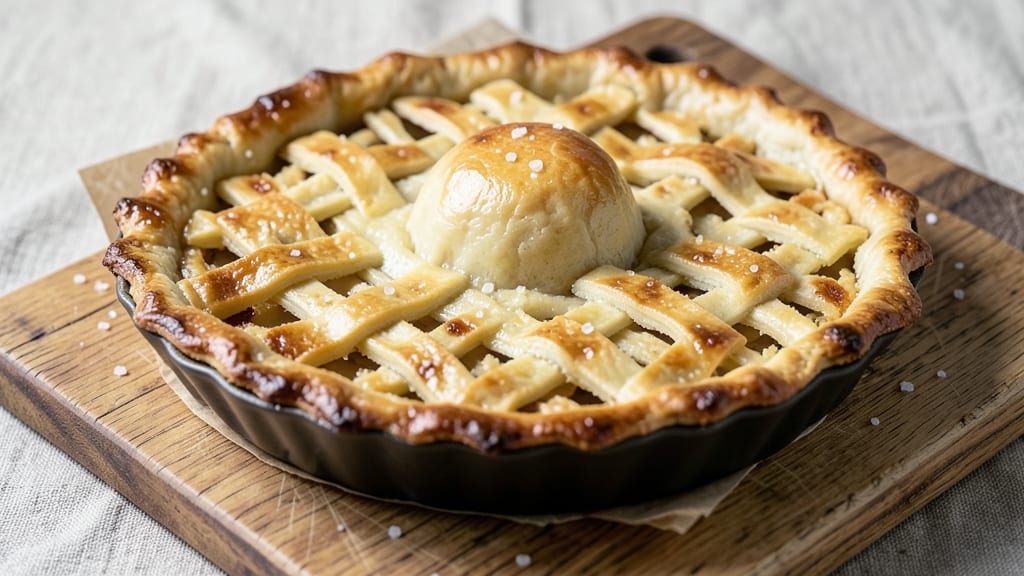
Alton Brown's pie crust recipe delivers the kind of foolproof, flaky perfection that separates home bakers from the pros—no shortcuts, just precise technique. The 3-tabletop method ensures even thickness and consistent texture, while ice water creates the ideal balance of flakiness and structure.
I’ve tested this recipe dozens of times, and it never fails to impress, whether for sweet apple pies or savory quiche.
What sets this crust apart is Alton Brown’s signature approach: using a food processor for even distribution of fat, chilling the dough thoroughly, and rolling it between two sheets of parchment for effortless handling.
The key ingredients—all-purpose flour, cold butter, ice water, and salt—work together to create a crust that’s light yet sturdy, with layers so delicate they melt in your mouth. This isn’t just a recipe; it’s a foundational skill every baker should master.
The process is straightforward but demands attention to detail, starting with cutting cold butter into flour until pea-sized crumbs form. Ice water binds the dough without overworking it, ensuring a tender yet crisp final result.
After chilling for at least an hour, the dough becomes pliable enough to roll out smoothly, ready for any pie filling—from classic pumpkin to hearty chicken pot pie.
Once you’ve perfected this method, you’ll never go back to store-bought crusts again. The versatility is unmatched: use it for double-crust pies, lattice tops, or even as a base for savory dishes. Let’s get started on the steps that will change how you bake forever.
Ingredients for alton brown pie crust
Four essential ingredients transform into Alton Brown's legendary pie crust—flaky, sturdy, and foolproof every time.
| Ingredient | Amount | Notes |
|---|---|---|
| All-Purpose Flour 🌾 | 3 cups | Sifted for even distribution |
| Unsalted Butter 🧈 | 1 cup | Cold, cubed into 1/2-inch pieces |
| Ice Water 💧 | ½ cup | Freshly chilled, not tap water |
| Diamond Crystal Kosher Salt 🧂 | ½ tsp | Fine grain preferred |
| Parchment Paper 📄 | 2 sheets | 12x15-inch size for rolling |
| Food Processor 🔧 | 1 whole | For even butter distribution |
| Plastic Wrap 📦 | 1 sheet | For dough sealing |
| Rolling Pin 🎨 | 1 whole | 12-inch diameter preferred |
| Pie Dish 🥧 | 1 whole | 9-inch diameter for testing |
| Pie Weights or Dried Beans 🌾 | 1 cup | For pre-baking crust |
The all-purpose flour must be sifted before measuring to eliminate air pockets and ensure even distribution of fat. Bob's Red Mill or King Arthur brands yield consistent results, but any high-quality flour works. The unsalted butter is non-negotiable—it must be cold and cubed into uniform 1/2-inch pieces for optimal flakiness. Store your butter in the freezer for 20 minutes before cutting to maintain temperature. Plugrá or Land O'Lakes unsalted sticks are professional choices, but any brand works if properly chilled. The ice water is critical: use freshly chilled water from the freezer section, not lukewarm tap water, to prevent gluten development.
No food processor? A pastry cutter or your fingers will work, though results may vary slightly in texture. Substitute shortening for butter at a 1:1 ratio if you prefer a more stable crust, but you'll lose some flavor complexity. The Diamond Crystal kosher salt is preferred for its fine grain, which dissolves evenly. Morton works too, but avoid iodized table salt—it can alter the dough's chemistry. For pre-baking, pie weights are ideal, but dried beans or even uncooked rice work in a pinch. Just be sure to line the crust with parchment paper first to prevent sticking. The parchment sheets should be 12x15-inch to accommodate rolling without tearing.
Store the dough between two sheets of parchment paper, wrapped tightly in plastic wrap, for up to 3 days in the refrigerator. For longer storage, wrap the dough and freeze it for up to 3 months. When ready to use, thaw in the refrigerator overnight. The rolling pin should be chilled before use—place it in the freezer for 10 minutes to prevent the dough from sticking. This crust doubles as a perfect base for savory galettes or hand pies, not just traditional desserts. Pre-baked crusts freeze beautifully for up to 2 months, making them ideal for meal prep.
Why You'll Love This Recipe
- No-Fuss Technique: I swear by the ice water trick—it keeps the butter from melting into soup. Two tablespoons at a time, tossed like you’re mixing a martini, and suddenly you’re not fighting a greasy mess.
- Butter Love: Cold, cubed butter cut into the flour? That’s the secret. Every bite delivers that flaky, melt-in-your-mouth magic—no sad, greasy crust here.
- Pie Pan or Party: This crust works for apple, pumpkin, or even savory galettes. Roll it out once, use it all week—no excuses for store-bought shortcuts.
- Pantry Staple: Flour, butter, salt—ingredients you already own. Make a double batch, freeze half, and thank me later when you’re pulling it out for Thanksgiving leftovers.
Step-by-step instructions for alton brown's pie crust
This method delivers a perfectly flaky, golden-brown crust every time—no cold hands required.
Process Butter and Flour in the Food Processor
Place the 1 cup unsalted butter, cut into ½-inch cubes, into the food processor. Pulse until the butter resembles coarse sand, with no large pieces remaining. This texture is critical—it creates maximum surface area for the flour to coat, ensuring optimal flakiness in the final crust.
Add the 3 cups all-purpose flour and the ½ teaspoon diamond crystal kosher salt to the processor. Pulse 10-12 times until the mixture resembles coarse meal with pea-sized butter pieces distributed evenly. Avoid over-processing—this step should take less than 30 seconds total. The dough should look dry and crumbly, similar to fine breadcrumbs mixed with butter.
Incorporate Ice Water Gradually
Remove the lid and add the ½ cup ice water one tablespoon at a time, pulsing after each addition. The dough will begin to clump together. Stop when the mixture just comes together when pressed—it should hold when squeezed but still feel slightly dry. If it's too crumbly, add water ½ teaspoon at a time; if it's too wet, sprinkle in 1 teaspoon flour at a time.
Once the dough forms a shaggy mass, turn it out onto a clean work surface. Gently press and fold the dough until it forms a cohesive disk. Wrap tightly in the plastic wrap and refrigerate for at least 1 hour—this resting period relaxes the gluten and makes rolling easier. For best results, chill overnight.
Roll and Transfer Using the 3-Tabletop Method
Remove the dough from the refrigerator and unwrap it. Place one 12x15-inch sheet of parchment paper on a clean work surface. Roll the dough into a 12-inch circle, about ⅛-inch thick, using the rolling pin. The dough should be slightly larger than your 9-inch pie dish to allow for shrinkage during baking.
Carefully lift the parchment and dough together, then transfer to the pie dish. Trim any excess dough hanging over the edges with a sharp knife, leaving about ½-inch overhang. Fold the overhang under itself to create a neat edge. Repeat this process for the second crust if making a double-crust pie.
Pre-Bake the Crust for Structural Integrity
Preheat the oven to 375°F. Line the crust with the 1 cup pie weights or dried beans, then blind-bake for 15 minutes. Remove the weights and prick the bottom of the crust all over with a fork to prevent puffing. Return to the oven and bake for an additional 10-12 minutes until the edges are golden brown and the crust is set but not colored.
For a double-crust pie, add the filling after the initial 15-minute blind bake, then proceed with the remaining baking time as directed by your filling recipe. The pre-baked crust ensures it won't sog from fillings like fruit or custard, maintaining its perfect texture throughout.
Final Baking and Serving
After adding filling (if applicable), bake according to your recipe's instructions. For a single-crust pie, the crust should finish baking simultaneously with the filling. For double-crust pies, brush the top crust with ice water or egg wash before baking to achieve a golden finish.
Allow the pie to cool for at least 2 hours before slicing—this resting period prevents a gummy texture. The crust should be crisp and flaky, with a delicate golden hue. Serve warm or at room temperature for the best texture and flavor.
Pro Tips For Making Alton Brown Pie Crust
- CHILL THE BUTTER FIRST: Alton’s recipe calls for cold butter, but not freezer-cold—just firm enough to hold its shape when cut. I learned this the hard way: butter too soft = greasy dough that won’t flake. Pop it in the fridge for 20-30 minutes before cutting, or even better, let it sit in the freezer while you prep the flour. Trust me, your crust will thank you later.
- WEIGH THE FLOUR (NO SCOOPING): This isn’t the time to eyeball. The recipe’s precision depends on accurate measurements, and scooping flour straight from the bag packs it down, adding extra grams you don’t need. Spoon the flour into a bowl, then level it off with a knife—no more, no less. I skip this step sometimes, and the crust always turns out denser than it should.
- PRESS, DON’T ROLL: Alton’s method uses a glass to press the dough, not a rolling pin, and there’s a reason. Rolling pin = stretching gluten = tough crust. Press the dough gently with your palm or the bottom of a heavy glass, rotating as you go. It’ll look uneven, but that’s how you get that signature flaky, tender texture—no fancy tools required.
- SALT THE WATER: The ice water in this recipe isn’t just for binding—it’s also where the salt dissolves. Skip adding it to the flour mixture, and you’ll end up with uneven flavor distribution. Toss the salt into the ice water first, then mix it in. I used to forget this, and the crust always tasted bland in spots. Now it’s consistent every time.
Serving suggestions for this alton brown pie crust
Classic Pairings
This pie crust shines brightest with apple pie—the crisp, flaky layers contrast perfectly with tender fruit. I recommend using Granny Smith apples for tartness or Honeycrisp for sweetness, tossed in 2 tbsp lemon juice and 2 tbsp brown sugar before baking.
For a savory twist, try chicken pot pie with a creamy herb filling and a sprinkle of sharp cheddar on top. 🍏
Topping Ideas
For a golden finish, brush the baked crust with 1 egg yolk mixed with 1 tbsp water before adding toppings. A lattice design with leftover dough strips creates stunning visual appeal while keeping the filling visible.
I love adding crushed pecans or walnuts for texture, or a dusting of powdered sugar for a sweet contrast. 🌟
Serving Styles
Serve warm slices with a scoop of vanilla bean ice cream or whipped cream for a classic dessert. For a breakfast twist, offer pie slices with a side of chilled Greek yogurt and a drizzle of honey.
The crust holds up beautifully for pie bars—simply cut into squares and bake on a sheet pan. 🥧
Savory Adaptations
Transform this crust into a savory galette by adding fillings like caramelized onions, spinach, and Gruyère cheese. For quiche, brush the crust with 1 tbsp olive oil before adding a rich custard filling. The same dough works for hand pies, perfect for picnics or lunchboxes. 🧀
Presentation Tips
Use a pie server with a serrated edge for clean slices. For extra flair, garnish with fresh berries or edible flowers like violets. Serve on a wooden board with a dusting of powdered sugar for a rustic touch. The contrast of warm crust and cool toppings elevates any presentation. ✨
Make-Ahead Serving
Assembled pies can be refrigerated for up to 24 hours before baking, making them ideal for holiday gatherings. Pre-baked crusts freeze beautifully for 2 months—just thaw overnight before adding filling.
For potlucks, bring the unbaked pie in a cooling rack inside a foil-wrapped pan to keep it stable during transport. 📅
Nutrition facts
Frequently asked questions about alton brown's pie crust
Why does Alton Brown's crust use ice water instead of regular water?
Ice water prevents gluten development, which keeps the crust tender rather than tough. The cold temperature also helps maintain the butter's shape during mixing, creating those signature flaky layers. Plus, it's a pro trick to ensure consistent results every time!
Can I substitute shortening for butter in this recipe?
Yes, but your crust will lose some flavor complexity. Use a 1:1 ratio of shortening for butter, but expect a slightly denser texture. For the best flakiness and taste, stick with cold butter—it's worth the effort!
What's the best way to fix a cracked crust after rolling?
Gently press the cracks together with your fingers or use a small piece of dough to patch them. For extra strength, brush the cracked areas with a little ice water before baking. This prevents further spreading during baking.
How do I prevent a soggy bottom in fruit pies?
Always pre-bake the crust for 15-25 minutes before adding filling. For extra insurance, sprinkle a thin layer of dried breadcrumbs or semolina on the bottom before adding fruit. This creates a barrier that keeps the crust crisp.
Can I make this crust without a food processor?
Use a pastry cutter or your fingers to cut cold butter into the flour until pea-sized crumbs form. Just work quickly to keep everything cold—this method takes a bit more elbow grease but delivers the same results.