Desserts
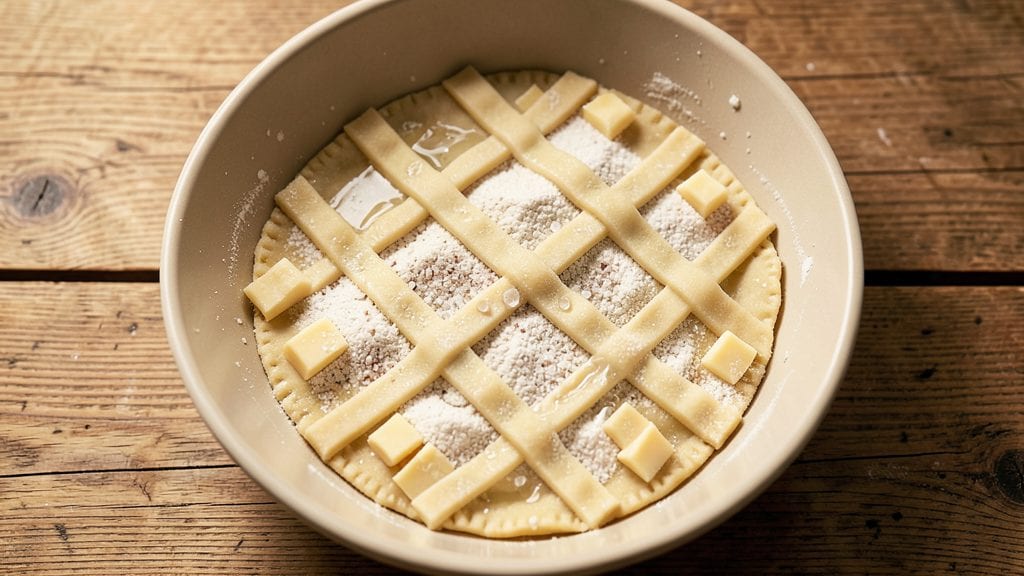
Betty Crocker's double pie crust recipe delivers the perfect balance of flaky layers and golden-brown edges without the stress of perfecting a single crust. The secret lies in a precise ratio of cold butter, all-purpose flour, and ice water—each element playing a critical role in creating that signature texture.
I’ve tested countless variations, and this method consistently produces a crust so crisp and sturdy it holds up to even the juiciest fillings.
What sets this recipe apart is the technique of rolling and layering two identical crusts, ensuring even baking and maximum crispness. The dough is chilled at key stages to prevent shrinking, and the butter is cut into the flour using a pastry cutter for uniform distribution.
This isn’t just about following steps—it’s about understanding how temperature and texture work together to create a crust that’s both professional and foolproof.
The result is a double crust so tender yet sturdy it becomes the star of any pie, from classic apple to rich pecan. Each bite delivers that satisfying contrast of flaky layers and buttery richness, proving that homemade crusts can be just as reliable as store-bought.
Whether you’re baking for a holiday gathering or a weekend dessert, this recipe ensures your pie will be the centerpiece of the table.
For those short on time, pre-made dough is an acceptable shortcut, but the difference in texture and flavor is noticeable. The full recipe, however, offers control over every detail—from the flakiness of the layers to the golden hue of the finish. Let’s get started on mastering this timeless technique.
Ingredients for betty crocker double pie crust
Cold butter, precise flour ratios, and ice water create the perfect flaky double crust layers.
| Ingredient | Amount | Notes |
|---|---|---|
| All-Purpose Flour 🌾 | 3 ½ cups | Sifted for light texture |
| Unsalted Butter 🧈 | 1 cup | Cold, cubed for flakiness |
| Ice Water 💧 | ½ cup | Chilled, not frozen |
| Kosher Salt 🧂 | 1 tsp | Fine grain preferred |
| Granulated Sugar 🍚 | 1 tbsp | For golden crust edge |
| Pastry Cutter or Fork 🔪 | 1 whole | For cutting butter into flour |
| Plastic Wrap 📄 | 1 sheet | For dough chilling |
| Pie Dish 🥧 | 1 whole | 9-inch diameter preferred |
| Egg Wash 🥚 | 1 whole | 1 egg beaten with 1 tbsp water |
| Coarse Sugar or Pearl Sugar 🍚 | 1 tbsp | For decorative lattice topping |
The butter must be cold—cut it into the flour while it's still firm to prevent melting. Store-bought butter works, but unsalted gives you better control over seasoning. For the best results, buy butter in 1-pound blocks from stores like Whole Foods or Trader Joe's, where it's less likely to be pre-salted. The flour should be all-purpose, not self-rising or cake flour—this recipe relies on the gluten structure for that signature tenderness. If you're in a pinch, King Arthur or Bob's Red Mill brands are reliable choices.
No ice water? Cold water from the fridge works, but it won't chill the dough as effectively. The sugar is optional but recommended—it caramelizes during baking for that golden edge. For a lower-carb option, swap the granulated sugar for 1 tbsp honey or 1 tbsp brown sugar. If you don't have a pastry cutter, a fork or your fingers will work, though the texture might be slightly less uniform. The plastic wrap is critical for chilling—avoid aluminum foil as it can transfer heat and cause condensation. For the egg wash, room-temperature eggs blend better than cold ones.
Dough can be stored in the fridge for up to 48 hours wrapped tightly in plastic. For longer storage, freeze the dough balls for up to 3 months. When ready to use, thaw in the fridge overnight. The pie dish should be 9-inch diameter—smaller dishes bake faster but may not hold enough filling for a double crust. If you're making ahead, assemble the pie and refrigerate for up to 24 hours before baking. The crust will firm up and be easier to handle when cold.
Why You'll Love This Recipe
- No-Fuss Magic: I swear by this crust—just flour, butter, ice water, and a pinch of salt. No food processor, no stress, just cold butter cut into flour until it looks like crumbs. Honestly, I’ve made pie crusts that ended up tough or greasy, but this one? Every time.
- Buttery Crisp Perfection: That cold butter in the dough? It melts into pure, golden layers when baked. The sugar in the filling caramelizes against the flaky edges—like a hug for your taste buds. Between us, I’ve had pie crusts that were just… fine. This one makes me reach for seconds.
- Pie for Any Occasion: Need a quick dessert for a potluck? A double crust means one pie feeds a crowd. Or save half for tomorrow—it reheats beautifully. I’ll be real: my freezer is full of these crusts, ready for whatever life throws at me.
- Budget-Friendly Staple: Five ingredients, all pantry basics. No specialty flours or expensive shortcuts—just real, reliable flavor. I’ve spent $20 on a fancy crust kit that didn’t impress me half as much. This? It’s my secret weapon for looking like a baking pro without breaking the bank.
Step-by-step instructions for betty Crocker's double pie crust recipe
Master this classic technique for two perfect crust layers that stay flaky and crisp.
Prepare the Dough Foundation
In a large mixing bowl, combine the 3.5 cups all-purpose flour, 1 tsp kosher salt, and 1 tbsp granulated sugar. Whisk gently to distribute the salt and sugar evenly through the flour. This creates the perfect balance of flavor and texture for the crust.
Cut the 1 cup unsalted butter into ¼-inch cubes and place them in the flour mixture. Use either a pastry cutter or a fork to work the butter into the flour until you reach a texture resembling coarse crumbs with pea-sized butter pieces still visible. This ensures maximum flakiness in the final crust.
Incorporate Ice Water Gradually
Add the 0.5 cup ice water, 1 tablespoon at a time, to the flour-butter mixture. Use the pastry cutter or fork to gently mix after each addition until the dough begins to come together. Be careful not to overmix—just combine until the dough forms a shaggy mass.
Once the dough holds together when pressed, turn it out onto a lightly floured surface and gently knead just enough to form a single cohesive disk. The dough should be cold and slightly sticky but not wet. If it feels too dry, add 1 teaspoon more ice water; if too sticky, add 1 tablespoon more flour. Shape into a disk about 1-inch thick and wrap tightly in the plastic wrap. Chill in the refrigerator for at least 1 hour (or up to 24 hours).
Roll and Layer the Crusts
On a lightly floured surface, roll out half of the chilled dough into a 12-inch circle about ⅛-inch thick. Transfer carefully to the pie dish, pressing gently to fit. Trim any excess dough hanging over the edge, leaving about ½-inch overhang for crimping later. Prick the bottom crust all over with a fork to prevent puffing during baking.
Roll out the remaining dough to the same size and shape. Place it directly over the first crust, pressing lightly to create a seal. Trim the top crust to match the bottom edge, leaving the same ½-inch overhang. Use a sharp knife to cut 4-5 slits in the center of the top crust to allow steam to escape during baking. This prevents a soggy bottom crust.
Crimp and Prepare for Baking
Brush the top crust with the egg wash for a golden finish. Sprinkle the 1 tbsp coarse sugar or pearl sugar evenly over the top crust. This creates a beautiful caramelized lattice pattern while adding sweetness that complements savory fillings.
Crimp the edges by folding the overhanging dough under itself, creating a decorative border. Use your fingers or a fork to press the crimp firmly against the pie dish. Place the assembled pie crust on a baking sheet to catch any drips. Bake in a preheated 375°F oven for 25-30 minutes until the crust is deep golden brown and fully set. For best results, pre-bake the crust before adding filling to prevent a soggy bottom.
Pro Tips For Making Betty Crocker Double Pie Crust
- Cut Butter Cold: Take the butter straight from the fridge—no thawing—then cube it into ½-inch pieces. The recipe calls for cold butter, but I’ve seen people use softened butter and wonder why their crust turns greasy instead of flaky. Trust me, your future pie will thank you.
- Measure Salt Precisely: The recipe says 1 teaspoon of salt, but if you’re using kosher salt, that’s not the same as table salt. Use a scale or the rim of a teaspoon to level it off—too much salt makes the crust taste harsh, and too little leaves it bland. I learned this after accidentally doubling it once.
- Handle Dough Gently: When mixing the dough, stop as soon as the flour clumps together—overworking it makes the crust tough. The recipe’s instructions might say to mix until just combined, but I’ve seen people knead it like bread dough. Keep your hands light and your movements minimal.
- Chill Between Rolls: After shaping the dough, pop it in the fridge for 20 minutes before rolling it out. This prevents the butter from melting and turning your crust into a sad, greasy mess. I was skeptical—until I tried it and the layers stayed perfect. No more soggy bottoms.
Best sauces and condiments for these flavors
Classic Fillings
Apple and cinnamon remain the ultimate pairings for this double crust—try a 6-cup mix of Granny Smith and Honeycrisp apples with 3 tbsp brown sugar and 1 tsp cinnamon. The crisp texture of the crust contrasts perfectly with the tender fruit.
For a savory twist, I love using shredded sharp cheddar and diced ham with a splash of heavy cream and mustard.
Pumpkin pie filling is another iconic choice. Mix 1.5 cups canned pumpkin, 1 cup sweetened condensed milk, 1 egg, and 1 tsp pumpkin pie spice. The crust’s flakiness balances the creamy filling beautifully.
For a modern twist, try a chocolate cream filling with Nutella and whipped cream—the rich chocolate pairs wonderfully with the buttery crust.
Sweet Toppings
For a rustic touch, sprinkle crushed pecans or walnuts over the top crust before baking. The nuts add crunch and a buttery flavor that complements the crust’s richness. I also love adding dried cranberries or chopped dates for a chewy contrast.
For a festive look, use coarse sugar or pearl sugar to create a caramelized lattice pattern.
Fresh fruit toppings work beautifully after baking. Arrange sliced strawberries or blueberries on top of a warm pie for a vibrant presentation. The acidity of the fruit cuts through the richness of the crust.
For a decadent finish, drizzle warm caramel sauce or vanilla ice cream over the top before serving.
Savory Sauces
A drizzle of brown butter adds depth to savory pies like chicken pot pie. Simmer ½ cup butter until golden and nutty, then whisk in 1 tbsp flour and 1 cup chicken broth for a silky sauce.
For a tangy kick, mix 2 tbsp sour cream with 1 tsp lemon juice and ½ tsp garlic powder—perfect for a quiche-style pie.
Herb-infused oils elevate savory pies. Heat ¼ cup olive oil with 1 tbsp fresh rosemary and 1 tsp thyme, then drizzle over a baked pie.
The aromatic herbs pair beautifully with the crust’s buttery flavor. For a smoky touch, use smoked paprika or liquid smoke in the filling or sauce.
Dessert Sauces
Warm vanilla bean ice cream with a drizzle of hot fudge sauce turns any pie into a decadent dessert. For a lighter option, blend ½ cup Greek yogurt with 1 tbsp honey and a pinch of cinnamon for a creamy topping.
The contrast of the cool yogurt with the warm crust is unbeatable.
Caramel sauce is a must for pies like pecan or sweet potato. Melt 1 cup brown sugar with ½ cup butter and ¼ cup heavy cream until smooth.
The gooey caramel complements the crust’s flakiness perfectly. For a spiced twist, add ½ tsp cinnamon and ¼ tsp nutmeg to the sauce for warmth.
Nutrition facts
Frequently asked questions
Why does my double crust sometimes turn out soggy?
Soggy crusts happen when steam gets trapped during baking. Always prick the bottom crust with a fork before adding filling, and cut small slits in the top crust to let steam escape. Pre-baking the crust for 10-15 minutes at 375°F before adding filling creates a sturdy barrier. For juicy fillings like berries, add a thin layer of cornstarch or crushed graham crackers between crusts for extra protection.
Can I make this crust ahead of time?
The dough can be refrigerated for up to 48 hours or frozen for 3 months. For best results, thaw in the fridge overnight before rolling. Assembled pies can be refrigerated for 24 hours before baking, which actually helps the crust firm up. Just let it sit at room temperature for 30 minutes before baking to prevent condensation.
What's the best way to prevent a shrinking crust?
Keep everything cold! Chill the dough for at least 1 hour before rolling, and work on a lightly floured surface to prevent sticking. Roll gently from the center outward, and avoid overhandling. If the dough starts to warm up, return it to the fridge for 10-15 minutes before continuing. Using a 9-inch pie dish also helps distribute the dough evenly.
Can I substitute butter for shortening?
You can, but the flavor and texture will differ. Shortening creates a more tender, less flaky crust with a longer shelf life. For a butter-like texture, use ½ cup butter plus ½ cup shortening. If you're avoiding dairy, vegetable shortening works well but lacks the rich buttery flavor. For a lighter option, try coconut oil (solid at room temperature) in equal amounts.
How do I make a lattice crust with this recipe?
After rolling out your top crust, use a sharp knife to cut it into strips about ½-inch wide. Weave the strips in a lattice pattern over the pie, leaving the center open for steam to escape. Brush the lattice with egg wash and sprinkle with coarse sugar for extra crunch. For a more decorative look, try a fan-shaped pattern by cutting diagonal slits and folding the strips upward.